


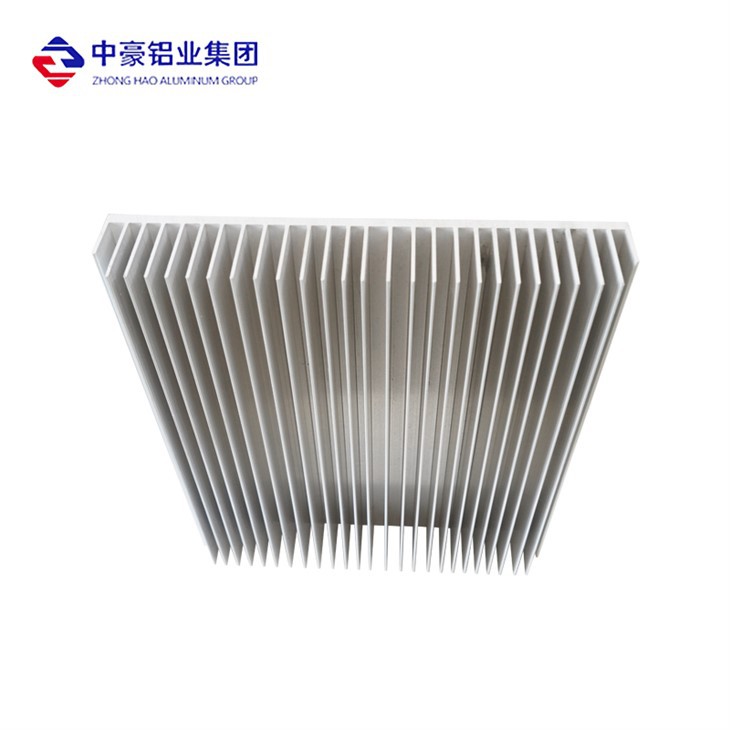

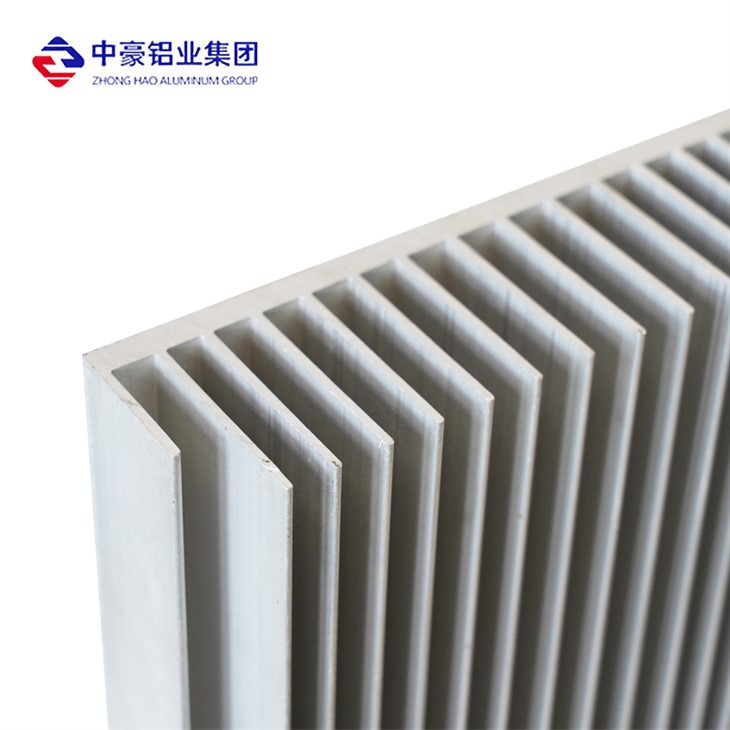

Heatsink Extrusion Profiles
Products Description

Heatsink Extrusion Profiles are an important component designed for thermal management. They are manufactured through an extrusion process, which molds high thermal conductivity materials (such as aluminum, copper and their alloys) into heat dissipation structures with specific shapes and sizes. This process makes the heat sink an integral product without the need for additional heat transfer interfaces. Heatsink Extrusion Profiles are widely used in various fields that require efficient heat dissipation, such as computer processors, graphics cards, power supplies, LED lamps, and communication equipment.
Features

Optimized thermal convection effect
The heat sink profiles manufactured through the extrusion process have a highly consistent fin structure that maximizes the efficiency of air circulation in a limited space. The heat sink surface not only increases the heat exchange area, but also enhances the natural convection heat dissipation effect through the specific design of the fins. Especially under low wind speed conditions, the surface structure of the profile can effectively promote air flow and reduce thermal resistance, thereby further improving the thermal management effect. Heatsink Extrusion Profiles are 15%-20% lower in temperature than traditional flat heat sinks under natural convection environments.
Refined surface treatment capabilities
Compared with other aluminum alloy heat sinks, Heatsink Extrusion Profiles have more diverse surface treatments. Through the extrusion process, the profile surface can be treated with high-precision anodizing, electrophoretic coating and sandblasting, which can improve the surface corrosion resistance, wear resistance and heat dissipation performance. For example, the protective film formed after anodizing not only improves the corrosion resistance, but also effectively prevents the negative impact of external environmental factors (such as acid rain and high humidity environment) on the performance of the heat sink, enhancing the applicability and life of the product.
Optimized thermal expansion management
In some high-power density applications, electronic components generate a lot of heat during operation, which causes the material to expand. Heatsink Extrusion Profiles can effectively manage the thermal expansion caused by temperature changes due to the use of high-quality aluminum alloy. The thermal expansion coefficient of aluminum alloy is low, and due to the structural design of the heat sink, the profile can maintain a stable shape in a high temperature environment, avoiding the damage caused by the expansion of the heat sink under extreme working conditions, which is particularly important for equipment that needs to run for a long time and at high load.
Less post-processing requirements
Since Heatsink Extrusion Profiles use an extrusion molding process, the initial shape of the heat sink is close to the final requirement, reducing the need for additional processing steps in the later stage. Compared with traditional casting or aluminum alloy cutting processes, the processing complexity and cost of extruded profiles are much lower, and there is almost no material waste during the processing. This not only reduces production costs, but also speeds up the time to market. This is an important advantage for electronic equipment manufacturers who need to respond quickly to market demands.
Hot Tags: heatsink extrusion profiles, China heatsink extrusion profiles manufacturers, suppliers, factory, industrial aluminium training profile, heatsink extrusion profiles, aluminium profile for industrial philanthropy, industrial aluminium certification profile, aluminium profile for industrial machinery, aluminium profile for industrial fixtures
You Might Also Like


Send Inquiry