


What are the packaging methods for curved aluminium extrusions?
Jan 07, 2026
Leave a message
In the dynamic world of architectural and industrial design, curved aluminium extrusions have emerged as a versatile and sought-after material. Their unique properties, such as flexibility, durability, and aesthetic appeal, make them ideal for a wide range of applications, from modern building facades to intricate interior designs. As a leading curved aluminium extrusion supplier, we understand the importance of proper packaging to ensure that our products reach our customers in pristine condition. In this blog post, we will explore the various packaging methods for curved aluminium extrusions, highlighting their benefits and considerations.
1. Foam Wrapping
Foam wrapping is a popular choice for protecting curved aluminium extrusions during transportation and storage. The soft and flexible nature of foam provides a cushioning effect, absorbing shocks and vibrations that could otherwise cause damage to the extrusions. Foam can be cut to the appropriate size and shape to fit the curves of the aluminium profiles, ensuring a snug and secure fit.
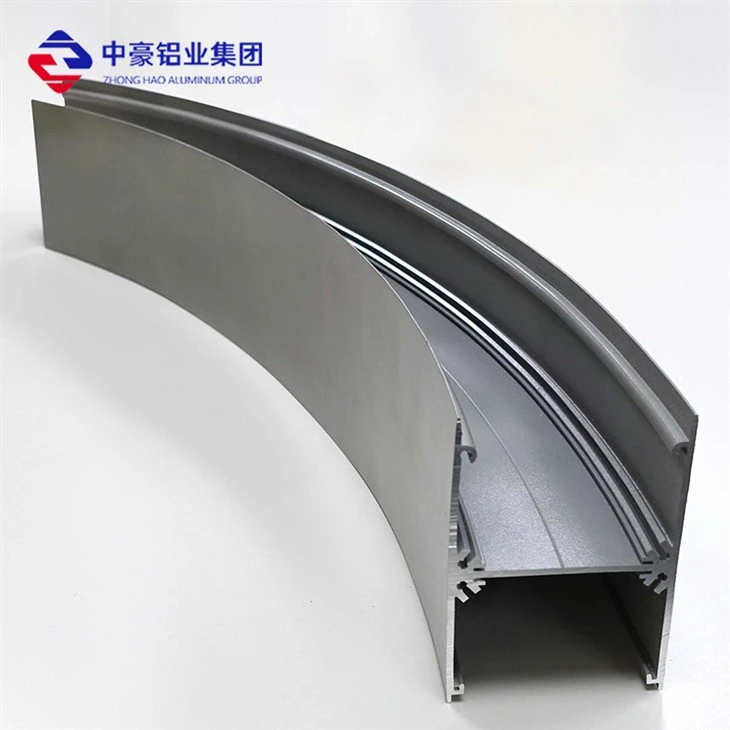

One of the main advantages of foam wrapping is its ability to prevent scratches and dents on the surface of the extrusions. The smooth texture of the foam creates a protective barrier between the aluminium and any external objects, reducing the risk of abrasion. Additionally, foam wrapping is lightweight, which helps to minimize the overall weight of the packaged product, reducing shipping costs.
However, it is important to note that not all types of foam are suitable for packaging curved aluminium extrusions. Some foams may contain chemicals or additives that could react with the aluminium, causing discoloration or corrosion. Therefore, it is essential to choose a high-quality, non-reactive foam that is specifically designed for use with aluminium.
2. Plastic Film Wrapping
Plastic film wrapping is another common method for packaging curved aluminium extrusions. This method involves wrapping the extrusions tightly with a layer of plastic film, which provides a protective barrier against moisture, dust, and other contaminants. Plastic film is available in a variety of thicknesses and types, including polyethylene, polypropylene, and PVC.
One of the key benefits of plastic film wrapping is its ability to provide a clear view of the packaged product. This allows for easy inspection of the extrusions without the need to unwrap them, which can save time and effort during the quality control process. Plastic film wrapping also helps to prevent the extrusions from coming into contact with each other, reducing the risk of scratching or damage.
In addition to its protective properties, plastic film wrapping can also be customized with branding and labeling. This can help to enhance the visibility of your products and promote your brand during transportation and storage. However, it is important to ensure that the plastic film is properly sealed to prevent moisture from entering the package, as this can lead to corrosion and other issues.
3. Cardboard Packaging
Cardboard packaging is a cost-effective and environmentally friendly option for packaging curved aluminium extrusions. Cardboard boxes can be custom-made to fit the specific dimensions and shape of the extrusions, providing a secure and stable packaging solution. Cardboard is also lightweight and easy to handle, making it ideal for transportation and storage.
One of the advantages of cardboard packaging is its ability to provide additional protection against impact and vibration. Cardboard boxes can be lined with foam or other cushioning materials to absorb shocks and prevent damage to the extrusions. Additionally, cardboard is a recyclable material, which makes it a sustainable choice for packaging.
However, it is important to note that cardboard packaging may not provide the same level of protection as foam wrapping or plastic film wrapping. Cardboard is susceptible to moisture and can become weak and damaged if exposed to water. Therefore, it is essential to ensure that the cardboard boxes are stored in a dry environment and protected from rain and other sources of moisture.
4. Wooden Crating
Wooden crating is a heavy-duty packaging option that is commonly used for transporting large or heavy curved aluminium extrusions. Wooden crates provide a high level of protection against impact, vibration, and other external forces, ensuring that the extrusions arrive at their destination in perfect condition.
One of the main advantages of wooden crating is its durability and strength. Wooden crates can be custom-built to fit the specific dimensions and weight of the extrusions, providing a secure and stable packaging solution. Wooden crates also offer excellent protection against moisture and other environmental factors, making them suitable for long-distance transportation and storage in harsh conditions.
However, wooden crating is a relatively expensive packaging option compared to foam wrapping, plastic film wrapping, or cardboard packaging. Additionally, wooden crates are heavy and bulky, which can increase shipping costs and make them more difficult to handle. Therefore, wooden crating is typically only used for high-value or large-scale projects where the extra protection is necessary.
5. Combination Packaging
In some cases, a combination of packaging methods may be used to provide the highest level of protection for curved aluminium extrusions. For example, foam wrapping can be used to protect the surface of the extrusions, while plastic film wrapping can be used to provide a moisture barrier and prevent dust and other contaminants from entering the package. Cardboard boxes or wooden crates can then be used to provide additional protection against impact and vibration during transportation and storage.
The choice of combination packaging will depend on the specific requirements of the project, including the size, shape, and weight of the extrusions, as well as the distance and mode of transportation. Our team of experts can work with you to determine the most suitable combination packaging solution for your curved aluminium extrusions, ensuring that they are protected throughout the entire supply chain.
Conclusion
Proper packaging is essential for ensuring the safe and secure transportation and storage of curved aluminium extrusions. By choosing the right packaging method, you can protect your products from damage, scratches, and corrosion, while also reducing the risk of shipping delays and costly returns. As a leading curved aluminium extrusion supplier, we offer a range of packaging options to meet the specific needs of our customers. Whether you require foam wrapping, plastic film wrapping, cardboard packaging, wooden crating, or a combination of packaging methods, we can provide you with a customized solution that meets your requirements.
If you are interested in purchasing curved aluminium extrusions for your next project, we encourage you to Contact Us for More Information. Our team of experts will be happy to assist you with your inquiry and provide you with a detailed quote. We look forward to working with you to bring your design vision to life.
References
- "Aluminium Packaging: A Sustainable Solution for the Future." Aluminium Association, 2023.
- "Packaging Design for Metal Products." Packaging Digest, 2022.
- "Best Practices for Packaging and Shipping Aluminium Extrusions." Metalworking News, 2021.
Send Inquiry