


What is the significance of the base thickness in a heat sink profile?
Jun 13, 2025
Leave a message
In the realm of thermal management, heat sink profiles play a crucial role in dissipating heat from electronic components and maintaining their optimal operating temperatures. As a heat sink profile supplier, I've witnessed firsthand the importance of various design parameters in achieving efficient heat transfer. One such parameter that often goes unnoticed but holds significant importance is the base thickness of a heat sink profile. In this blog post, I'll delve into the significance of base thickness in a heat sink profile and how it impacts the overall performance of the heat sink.
Understanding Heat Transfer in Heat Sinks
Before we dive into the significance of base thickness, let's first understand how heat transfer occurs in a heat sink. A heat sink is designed to absorb heat from a heat source, such as a microprocessor or a power transistor, and transfer it to the surrounding environment. This process involves three main modes of heat transfer: conduction, convection, and radiation.
- Conduction: Conduction is the transfer of heat through a solid material, such as the base and fins of a heat sink. When a heat source is in contact with the base of the heat sink, heat is conducted from the source to the base and then to the fins. The efficiency of conduction depends on the thermal conductivity of the material and the cross-sectional area available for heat transfer.
- Convection: Convection is the transfer of heat between a solid surface and a fluid, such as air or liquid. In a heat sink, convection occurs when the fins of the heat sink are exposed to a moving fluid, which carries away the heat from the fins. The efficiency of convection depends on the surface area of the fins, the velocity of the fluid, and the temperature difference between the fins and the fluid.
- Radiation: Radiation is the transfer of heat through electromagnetic waves. While radiation plays a minor role in most heat sink applications, it can contribute to the overall heat transfer in high-temperature environments or when the heat sink is exposed to a large amount of thermal radiation.
The Role of Base Thickness in Heat Transfer
The base of a heat sink serves as the interface between the heat source and the fins. It plays a crucial role in transferring heat from the source to the fins and ensuring that the heat is evenly distributed across the fins. The thickness of the base has a significant impact on the efficiency of heat transfer and the overall performance of the heat sink.
1. Thermal Resistance
One of the primary factors affected by the base thickness is the thermal resistance of the heat sink. Thermal resistance is a measure of how well a material or a structure resists the flow of heat. A lower thermal resistance indicates better heat transfer efficiency.
The base thickness affects the thermal resistance in two ways. First, a thicker base provides a larger cross-sectional area for heat conduction, which reduces the thermal resistance. This allows heat to flow more easily from the heat source to the fins, improving the overall heat transfer efficiency. Second, a thicker base can help to reduce the temperature gradient across the base, ensuring that the heat is evenly distributed across the fins. This helps to prevent hot spots and improves the performance of the heat sink.
2. Heat Spreading
Another important role of the base is to spread the heat from the heat source across the fins. When a heat source is in contact with the base, the heat is concentrated in a small area directly beneath the source. The base needs to spread this heat over a larger area to ensure that it can be effectively dissipated by the fins.
A thicker base is better able to spread the heat due to its larger cross-sectional area and lower thermal resistance. This helps to reduce the temperature gradient across the base and ensures that the heat is evenly distributed across the fins. As a result, the fins can operate more efficiently and dissipate heat more effectively.
3. Mechanical Strength
In addition to its thermal properties, the base thickness also affects the mechanical strength of the heat sink. A thicker base provides more structural support and can withstand higher mechanical loads without deforming or breaking. This is particularly important in applications where the heat sink is subject to vibrations, shocks, or other mechanical stresses.
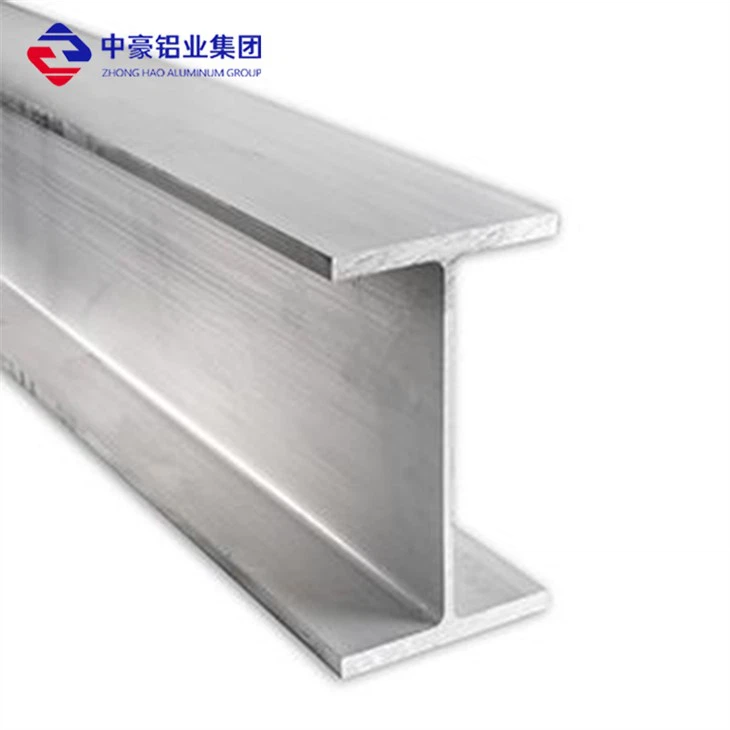

A heat sink with a thicker base is less likely to experience mechanical failure, which can lead to a loss of thermal performance or even damage to the electronic components. By choosing a heat sink with an appropriate base thickness, you can ensure that it will provide reliable thermal management over the long term.
Factors to Consider When Choosing Base Thickness
When choosing the base thickness for a heat sink profile, several factors need to be considered to ensure optimal performance. These factors include:
1. Heat Source Power
The power of the heat source is one of the most important factors to consider when choosing the base thickness. A higher-power heat source generates more heat, which requires a thicker base to effectively transfer the heat to the fins. As a general rule, the base thickness should be proportional to the power of the heat source.
2. Heat Sink Material
The thermal conductivity of the heat sink material also plays a role in determining the appropriate base thickness. Materials with higher thermal conductivity, such as copper or aluminum, can transfer heat more efficiently and may require a thinner base compared to materials with lower thermal conductivity.
For example, copper has a higher thermal conductivity than aluminum, so a copper heat sink may require a thinner base to achieve the same level of heat transfer as an aluminum heat sink. However, copper is also more expensive than aluminum, so cost considerations may also come into play when choosing the heat sink material.
3. Space Constraints
In some applications, space constraints may limit the available thickness for the base of the heat sink. In such cases, it may be necessary to choose a thinner base and compensate for the reduced thermal performance by increasing the surface area of the fins or improving the convection efficiency.
However, it's important to note that reducing the base thickness too much can significantly increase the thermal resistance and reduce the overall performance of the heat sink. Therefore, it's crucial to find a balance between the base thickness and the other design parameters to ensure optimal performance within the given space constraints.
Conclusion
In conclusion, the base thickness of a heat sink profile plays a crucial role in determining the efficiency of heat transfer and the overall performance of the heat sink. A thicker base provides a larger cross-sectional area for heat conduction, helps to spread the heat more evenly across the fins, and improves the mechanical strength of the heat sink. When choosing the base thickness, it's important to consider factors such as the heat source power, heat sink material, and space constraints to ensure optimal performance.
As a heat sink profile supplier, we offer a wide range of heat sink profiles with different base thicknesses to meet the diverse needs of our customers. Our heat sink profiles are made from high-quality materials, such as Aluminum T Slot Extrusion Profiles, Aluminum Alloy Square Tube, and 6061 Aluminum Beam, and are designed to provide efficient thermal management solutions for various applications.
If you're looking for a reliable heat sink profile supplier or have any questions about the significance of base thickness in heat sink profiles, please feel free to contact us. We'll be happy to assist you in choosing the right heat sink profile for your specific needs and provide you with expert advice on thermal management solutions.
References
- Incropera, F. P., DeWitt, D. P., Bergman, T. L., & Lavine, A. S. (2007). Fundamentals of Heat and Mass Transfer. John Wiley & Sons.
- Kraus, A. D., Azar, J. W., & Welty, J. R. (2001). Extended Surface Heat Transfer. John Wiley & Sons.
- Nellis, G. F., & Klein, S. A. (2009). Heat Transfer. Cambridge University Press.
Send Inquiry