


Are there any differences in solar frames for residential and commercial use?
Jul 29, 2025
Leave a message
Are there any differences in solar frames for residential and commercial use?
As a solar frame supplier, I've had the privilege of working closely with both residential and commercial clients in the solar energy sector. Over the years, I've noticed distinct differences in the requirements and preferences for solar frames between these two market segments. In this blog post, I'll delve into these differences, exploring the factors that influence the design, functionality, and aesthetics of solar frames for residential and commercial applications.
Design and Structural Requirements
One of the primary differences between residential and commercial solar frames lies in their design and structural requirements. Residential solar installations typically involve smaller-scale systems, often mounted on rooftops. These installations are subject to different load and wind resistance requirements compared to commercial installations.
Residential rooftops are usually designed to support a relatively lower load, so solar frames for residential use need to be lightweight yet sturdy enough to withstand local weather conditions. They are often designed with a focus on easy installation and compatibility with various roofing materials. For example, some residential solar frames are equipped with adjustable mounting brackets that can accommodate different roof pitches, making them versatile and user-friendly.
On the other hand, commercial solar installations are often larger in scale and may be installed on flat rooftops, ground-mounted arrays, or carports. These installations require frames that can support heavier loads and withstand more extreme weather conditions. Commercial solar frames are typically more robust and are designed to meet strict structural standards. They may feature thicker aluminum profiles and reinforced corners to ensure long-term durability and stability.
Aesthetics and Integration
Aesthetics play a significant role in residential solar installations. Homeowners often want their solar panels to blend in seamlessly with the overall design of their homes. As a result, solar frames for residential use are often designed with a focus on sleek and minimalist aesthetics. They may come in a variety of colors to match the roof or exterior of the house, and some frames are even designed to be virtually invisible, giving the appearance of a seamless solar panel installation.
In contrast, commercial solar installations are often more focused on functionality and cost-effectiveness. While aesthetics are still important, they are typically not the primary consideration. Commercial solar frames are usually designed to be practical and efficient, with a focus on maximizing the surface area of the solar panels and minimizing the overall cost of the installation. They may be available in standard colors such as silver or black, which are commonly used in the industry.
Cost and Budget
Cost is another important factor that differentiates residential and commercial solar frames. Residential solar installations are often more budget-sensitive, as homeowners are typically looking for ways to save money on their energy bills while also increasing the value of their homes. As a result, solar frames for residential use are often priced competitively, with a focus on providing good value for money.
Commercial solar installations, on the other hand, are often larger in scale and require a significant upfront investment. While cost is still a consideration, commercial clients are often more willing to invest in higher-quality frames that offer long-term durability and performance. Commercial solar frames may be more expensive than residential frames, but they are also designed to provide a higher return on investment over the life of the installation.
Maintenance and Durability
Maintenance and durability are crucial considerations for both residential and commercial solar installations. Residential solar panels are typically expected to last for 25 years or more, so the frames need to be able to withstand the elements and require minimal maintenance. Solar frames for residential use are often made from high-quality aluminum alloys that are resistant to corrosion and rust. They may also be coated with a protective finish to further enhance their durability.
Commercial solar installations, which are often exposed to more extreme weather conditions and higher levels of wear and tear, require frames that are even more durable. Commercial solar frames are typically designed to meet strict industry standards for durability and performance. They may be made from thicker aluminum profiles and feature advanced fastening systems to ensure long-term stability. Additionally, commercial solar frames may be subject to regular inspections and maintenance to ensure that they continue to perform optimally over time.
Customization and Flexibility
Residential solar installations often require a high degree of customization to meet the specific needs and preferences of homeowners. Solar frames for residential use may be available in a variety of sizes and configurations to accommodate different roof types and panel layouts. They may also be designed to be easily adjustable, allowing for quick and easy installation.
Commercial solar installations, on the other hand, often require a more standardized approach. While customization is still possible, commercial clients typically prefer to use frames that are widely available and have a proven track record of performance. Commercial solar frames are often designed to be compatible with a variety of solar panels and mounting systems, making them more versatile and easier to integrate into large-scale installations.
Conclusion
In conclusion, there are several differences in solar frames for residential and commercial use. These differences are primarily driven by the specific requirements and preferences of each market segment, including design and structural requirements, aesthetics and integration, cost and budget, maintenance and durability, and customization and flexibility.
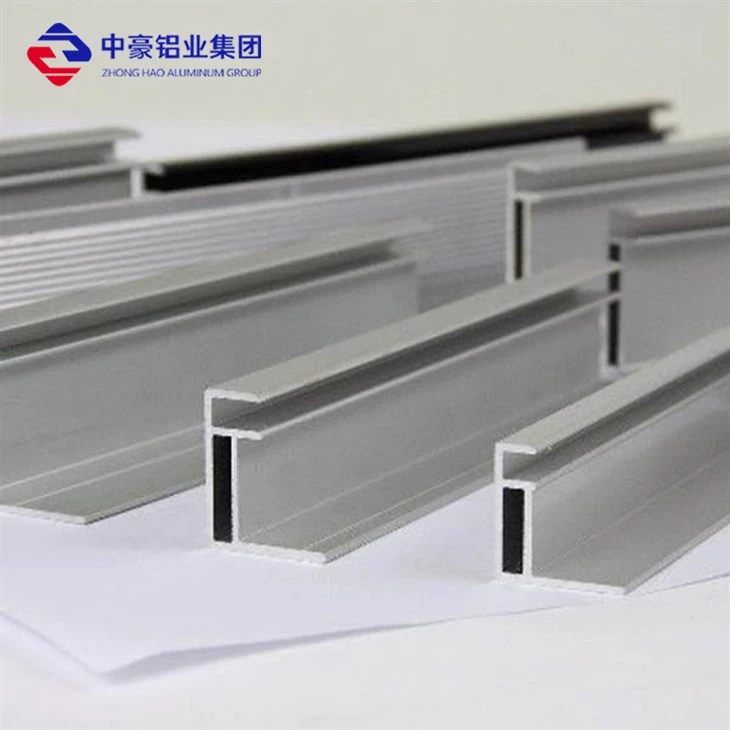
As a solar frame supplier, it's important to understand these differences and to offer a range of products that meet the needs of both residential and commercial clients. At our company, we offer a wide selection of Solar Panel Aluminium Profile, Solar Aluminium Frame, and Aluminium Solar Frame that are designed to meet the diverse needs of our customers. Whether you're a homeowner looking to install solar panels on your roof or a commercial developer planning a large-scale solar project, we have the expertise and products to help you achieve your goals.

If you're interested in learning more about our solar frames or would like to discuss your specific requirements, please don't hesitate to contact us. Our team of experts is always available to answer your questions and to provide you with the information you need to make an informed decision. We look forward to working with you to create a sustainable and cost-effective solar energy solution for your home or business.
References
- International Electrotechnical Commission (IEC). (2016). Photovoltaic (PV) modules - Design qualification and type approval. IEC 61215.
- Underwriters Laboratories (UL). (2017). Standard for safety for photovoltaic modules and panels. UL 1703.
- Solar Energy Industries Association (SEIA). (2021). Solar Market Insight Report.
Send Inquiry