


Can a heat sink profile be used in marine electronics cooling?
Jul 07, 2025
Leave a message
Hey there! As a heat sink profile supplier, I often get asked some pretty interesting questions. One that's been popping up a lot lately is, "Can a heat sink profile be used in marine electronics cooling?" Well, let's dive right into this topic and find out.
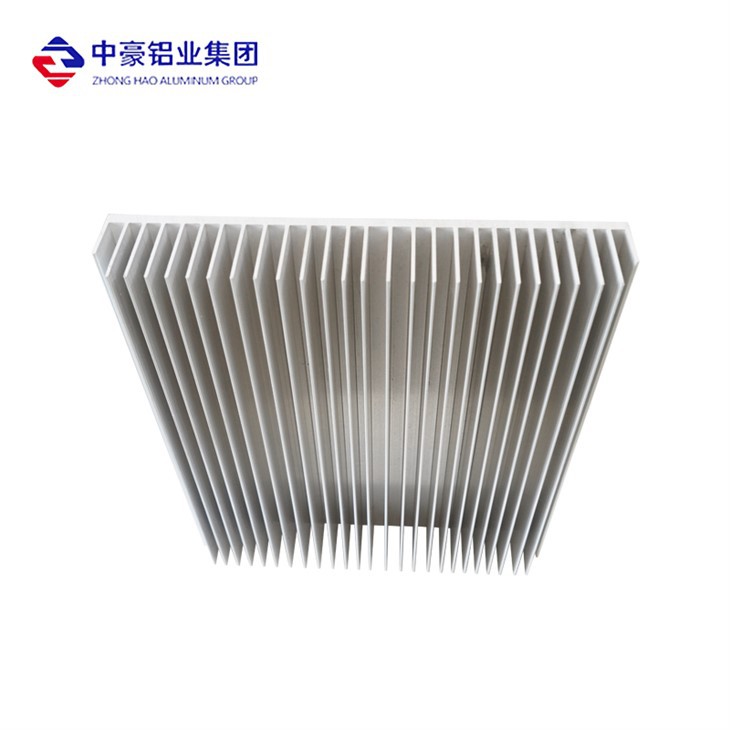
First off, let's talk a bit about what heat sink profiles are. Heat sink profiles are basically specially designed structures made to help dissipate heat. They work by increasing the surface area through which heat can be transferred from a hot component to the surrounding environment. There are all sorts of heat sink profiles out there, like the Heatsink Extrusion Profiles we offer. These are made through an extrusion process, which gives them unique shapes and properties that are great for heat transfer.
Now, when it comes to marine electronics, things get a bit more complicated. Marine electronics are used in a harsh environment. They're exposed to saltwater, high humidity, and often extreme temperatures. All these factors can have a big impact on the performance and lifespan of electronic components. And since heat is one of the biggest enemies of electronics, proper cooling is crucial.
So, can heat sink profiles be used in this tough marine environment? The short answer is yes, but there are some things to consider.
Material Selection
The material of the heat sink profile is super important. In a marine setting, you need a material that can resist corrosion from saltwater. Aluminum is a popular choice for heat sinks in general, and it's also a good option for marine applications. Aluminum has a relatively high thermal conductivity, which means it can transfer heat efficiently. And many aluminum alloys can be treated to enhance their corrosion resistance. For example, our Aluminum Alloy Square Tube is made from high - quality aluminum alloys that can be further anodized or coated to protect against the harsh marine elements.
Design Considerations
The design of the heat sink profile also matters a lot. In a marine environment, you need to make sure that the design allows for proper airflow. Stagnant air can trap heat and reduce the effectiveness of the heat sink. One way to improve airflow is by using a finned design. Fins increase the surface area of the heat sink, which helps with heat transfer, and they also guide the airflow. However, in a marine setting, you also need to be careful about the shape and size of the fins. If they're too narrow or closely spaced, they can collect salt and debris, which can block the airflow and reduce the heat sink's performance.
Another design aspect to consider is the mounting of the heat sink. It needs to be securely attached to the electronic component to ensure good thermal contact. In a marine environment, vibrations from the boat's engines and waves can loosen the mounting over time. So, a reliable mounting mechanism is essential.
Testing and Certification
Before using a heat sink profile in marine electronics, it's a good idea to have it tested. There are various industry standards and certifications for marine electronics components. These tests can ensure that the heat sink can withstand the harsh marine environment. For example, it might be tested for its corrosion resistance, thermal performance under different humidity and temperature conditions, and its ability to withstand vibrations.
Advantages of Using Heat Sink Profiles in Marine Electronics
There are several advantages to using heat sink profiles in marine electronics. First of all, they can significantly improve the performance of the electronic components. By keeping the components cool, heat sink profiles can reduce the risk of overheating, which can lead to malfunctions or even permanent damage. This means that the marine electronics will be more reliable and have a longer lifespan.
Secondly, using heat sink profiles can help save energy. When electronic components are cool, they operate more efficiently, which can reduce the overall power consumption of the system.
Challenges and Limitations
Of course, there are also some challenges and limitations. As mentioned earlier, the harsh marine environment can cause corrosion and clogging of the heat sink. Regular maintenance is required to keep the heat sink in good working condition. This might involve cleaning the heat sink to remove salt and debris, and checking the mounting for any signs of looseness.
Another limitation is the cost. High - quality heat sink profiles that are suitable for marine applications can be more expensive than standard heat sinks. However, when you consider the long - term benefits of improved performance and reliability, the investment can be well worth it.
Conclusion
So, to sum it up, heat sink profiles can definitely be used in marine electronics cooling. With the right material selection, design, and proper maintenance, they can provide effective cooling in the harsh marine environment. At our company, we offer a wide range of heat sink profiles, like the Aluminum T Slot Extrusion Profiles, that are suitable for various applications, including marine electronics.
If you're in the market for heat sink profiles for your marine electronics, we'd love to talk to you. Whether you need advice on the right profile for your specific application or want to place an order, feel free to reach out to us. We're here to help you keep your marine electronics cool and running smoothly.
References
- ASM Handbook, Volume 13A: Corrosion: Fundamentals, Testing, and Protection
- IEEE Standards for Marine Electronics
That's all for now. Hope this blog post has been helpful to you!

Send Inquiry