


How do heatsink extrusion profiles compare to other heat dissipation methods?
Oct 03, 2025
Leave a message
Hey there! I'm a supplier of heatsink extrusion profiles, and today I want to chat about how these profiles stack up against other heat dissipation methods.
Let's start by understanding what heat dissipation is all about. In simple terms, it's the process of getting rid of excess heat generated by electronic devices, machinery, or any system that produces heat during operation. If this heat isn't properly managed, it can cause a whole bunch of problems, like reduced performance, shorter lifespan of components, and even system failures.
Now, let's take a look at some common heat dissipation methods out there and see how heatsink extrusion profiles compare.
Air Cooling
Air cooling is one of the most widely used heat dissipation methods. It works by using fans to blow air over a heat source, transferring the heat to the surrounding air. This method is relatively simple and cost - effective, which is why it's so popular.
However, air cooling has its limitations. For one, it's not very efficient when dealing with high - power devices that generate a large amount of heat. The cooling capacity of air is limited, and as the heat load increases, the effectiveness of air cooling decreases. Also, air cooling can be noisy, especially when high - speed fans are used to increase the airflow.
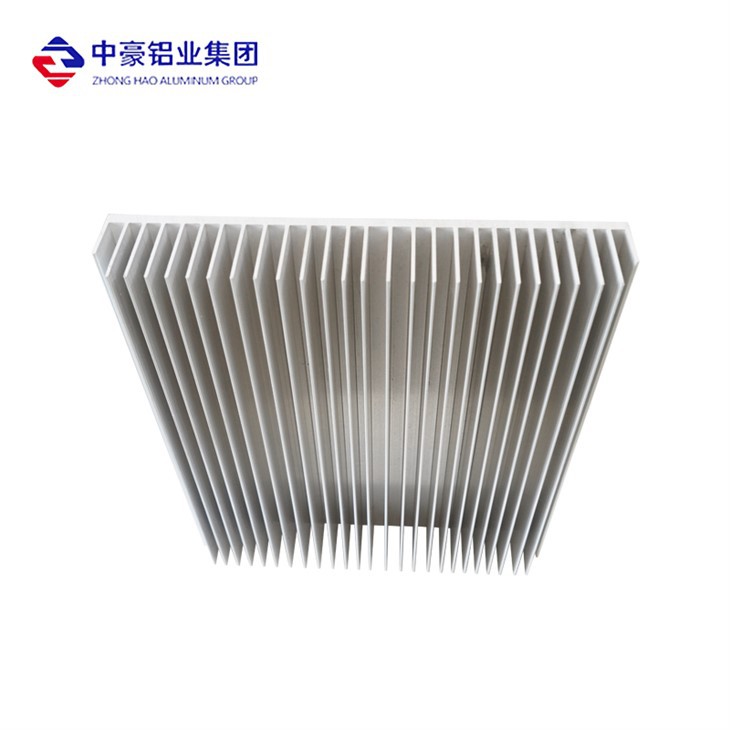
Heatsink extrusion profiles can work in tandem with air cooling. The profiles are designed with fins that increase the surface area available for heat transfer. When air is blown over these fins, more heat can be transferred to the air compared to a flat surface. This means that with the right heatsink extrusion profiles, you can enhance the efficiency of air cooling systems. You can check out our Heatsink Extrusion Profiles to see how they can improve your air - cooling setup.
Liquid Cooling
Liquid cooling is another popular heat dissipation method. It involves using a liquid, usually water or a special coolant, to absorb heat from the heat source and transfer it to a radiator, where the heat is then dissipated into the air. Liquid cooling is more efficient than air cooling because liquids have a higher specific heat capacity than air, which means they can absorb more heat per unit volume.
But liquid cooling systems are more complex and expensive to install and maintain. They require pumps, hoses, radiators, and a coolant reservoir, which adds to the cost and complexity of the system. There's also a risk of leaks, which can damage the equipment if not properly managed.
Heatsink extrusion profiles can be used in liquid - cooled systems as well. They can be used as part of the radiator design to increase the surface area for heat transfer from the liquid to the air. Aluminum, which is commonly used in heatsink extrusion profiles, has good thermal conductivity, making it an ideal material for this application. Our Aluminum T Slot Extrusion Profiles can be customized to fit different liquid - cooling system designs.
Heat Pipes
Heat pipes are a high - performance heat dissipation solution. They work on the principle of phase change. Inside a heat pipe, there's a small amount of liquid that evaporates at the hot end of the pipe, absorbing heat in the process. The vapor then travels to the cold end of the pipe, where it condenses and releases the heat. Heat pipes are very efficient at transferring heat over long distances with minimal temperature difference.
However, heat pipes are relatively expensive compared to other heat dissipation methods. They also require precise manufacturing and installation to work effectively. If not properly installed, the performance of heat pipes can be significantly reduced.
Heatsink extrusion profiles can complement heat pipes. The profiles can be used to support and enhance the heat - spreading capabilities of heat pipes. The fins on the heatsink extrusion profiles increase the surface area for heat transfer from the heat pipes to the surrounding air. This combination can provide a highly efficient heat dissipation solution for high - power applications.
Advantages of Heatsink Extrusion Profiles
Now, let's talk about some of the unique advantages of heatsink extrusion profiles.
Customizability
One of the biggest advantages of heatsink extrusion profiles is their customizability. We can customize the shape, size, and fin density of the profiles according to your specific requirements. Whether you need a small heatsink for a compact electronic device or a large one for an industrial machine, we can design and manufacture the right profile for you. You can choose from different types of profiles, such as Aluminum Alloy Square Tube, which can be used in various heat - dissipation applications.
Cost - Effectiveness
Heatsink extrusion profiles are generally more cost - effective than some other heat dissipation methods, especially when considering the long - term. They are made from aluminum, which is a relatively inexpensive and abundant material. The extrusion process used to manufacture the profiles is also cost - efficient, allowing us to produce high - quality profiles at a reasonable price.
Lightweight
Aluminum heatsink extrusion profiles are lightweight, which is an important factor in many applications, especially in the aerospace and automotive industries. The lightweight nature of the profiles doesn't compromise their thermal performance. They can still effectively dissipate heat while adding minimal weight to the overall system.
Good Thermal Conductivity
Aluminum has good thermal conductivity, which means it can transfer heat quickly and efficiently. This property makes heatsink extrusion profiles an excellent choice for heat dissipation applications. The fins on the profiles further enhance the heat - transfer capabilities by increasing the surface area available for heat exchange.

Conclusion
In conclusion, heatsink extrusion profiles offer a versatile and effective solution for heat dissipation. They can work well with other heat dissipation methods, such as air cooling, liquid cooling, and heat pipes, to enhance their performance. With their customizability, cost - effectiveness, lightweight nature, and good thermal conductivity, heatsink extrusion profiles are a great choice for a wide range of applications.
If you're looking for a reliable heat dissipation solution, I encourage you to consider our heatsink extrusion profiles. We have a team of experts who can help you choose the right profile for your specific needs. Whether you're in the electronics, automotive, or industrial sector, we can provide you with high - quality heatsink extrusion profiles that meet your requirements. Feel free to reach out to us to start a discussion about your heat - dissipation needs and how our products can help.
References
- Incropera, F. P., DeWitt, D. P., Bergman, T. L., & Lavine, A. S. (2007). Fundamentals of Heat and Mass Transfer. Wiley.
- Cengel, Y. A. (2003). Heat Transfer: A Practical Approach. McGraw - Hill.
Send Inquiry