


How does the surface roughness affect the performance of 6061 aluminum beam?
Dec 29, 2025
Leave a message
Surface roughness is a critical factor that can significantly influence the performance of 6061 aluminum beams. As a reliable supplier of 6061 aluminum beams, I have witnessed firsthand how different surface roughness levels can lead to varying outcomes in different applications. In this blog, I will delve into the ways in which surface roughness affects the performance of 6061 aluminum beams and why it matters for your projects.
Understanding 6061 Aluminum Beams
Before we explore the impact of surface roughness, let's briefly understand what 6061 aluminum beams are. 6061 is a precipitation-hardened aluminum alloy, containing magnesium and silicon as its major alloying elements. It is known for its excellent strength-to-weight ratio, good corrosion resistance, and high weldability. These properties make 6061 aluminum beams a popular choice in a wide range of industries, including automotive, aerospace, construction, and manufacturing.
The Concept of Surface Roughness
Surface roughness refers to the irregularities on the surface of a material. It is typically measured in terms of the height, spacing, and shape of these irregularities. The roughness of a surface can be influenced by various factors during the manufacturing process, such as machining operations, the type of cutting tools used, and the finishing processes applied.
Effects of Surface Roughness on Mechanical Properties
Friction and Wear Resistance
One of the most direct effects of surface roughness on 6061 aluminum beams is its impact on friction and wear resistance. A rougher surface generally has more contact points with other surfaces, which can increase friction. In applications where the aluminum beam is in contact with moving parts, such as in a machine or a conveyor system, high friction can lead to increased wear and tear. This can reduce the lifespan of the beam and increase maintenance costs.

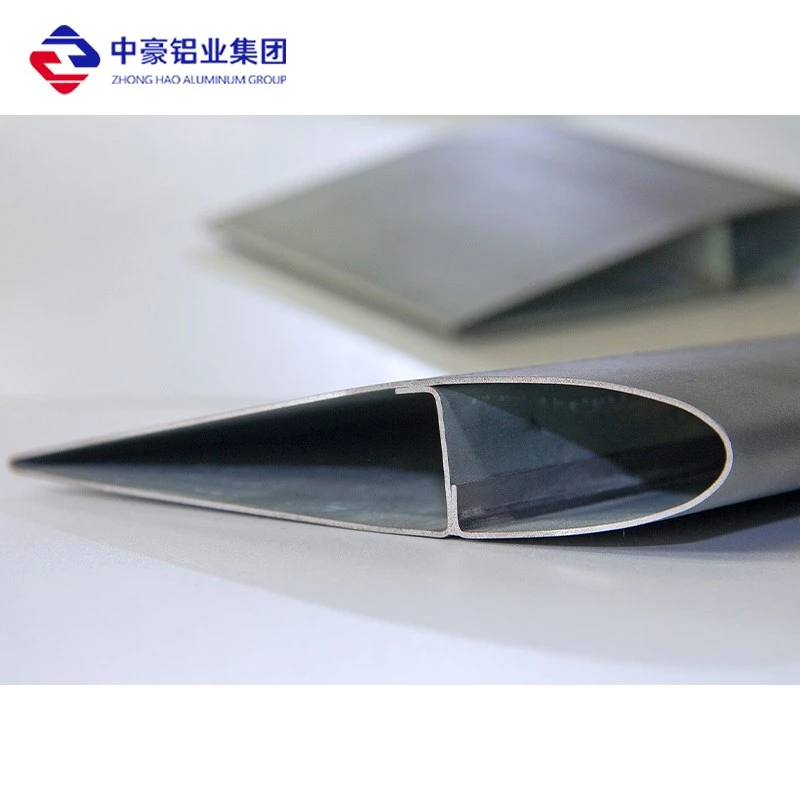
On the other hand, a smoother surface can reduce friction, resulting in less wear. For example, in Aluminum T Slot Extrusion Profiles, where the aluminum beams are often used in sliding or moving components, a smoother surface finish can improve the overall performance and durability of the system.
Fatigue Resistance
Surface roughness can also affect the fatigue resistance of 6061 aluminum beams. Fatigue is the weakening of a material caused by cyclic loading. Rough surfaces can act as stress concentrators, where the stress is higher at the peaks and valleys of the surface irregularities. This can lead to the initiation and propagation of cracks, reducing the fatigue life of the beam.
In applications where the aluminum beam is subjected to repeated loading, such as in bridges or aircraft structures, a smoother surface finish can help to distribute the stress more evenly, improving the fatigue resistance of the beam. This is crucial for ensuring the long-term safety and reliability of these structures.
Effects of Surface Roughness on Corrosion Resistance
Corrosion is another important factor to consider when evaluating the performance of 6061 aluminum beams. Surface roughness can have a significant impact on the corrosion resistance of the material.
Rough surfaces provide more sites for the accumulation of moisture, dirt, and other corrosive substances. These substances can react with the aluminum, leading to corrosion. In addition, the irregularities on a rough surface can create crevices where corrosion can occur more easily.
A smoother surface, on the other hand, is less likely to trap moisture and contaminants, reducing the risk of corrosion. For example, in Aluminum Wind Turbine Blades, which are exposed to harsh environmental conditions, a smooth surface finish can help to protect the aluminum beam from corrosion, ensuring its long-term performance.
Effects of Surface Roughness on Aesthetic and Assembly
In addition to the mechanical and corrosion-related effects, surface roughness can also have an impact on the aesthetic and assembly aspects of 6061 aluminum beams.
Aesthetic Appeal
The surface finish of an aluminum beam can greatly affect its aesthetic appeal. A smooth, polished surface can give the beam a more professional and high-quality look, which is often desirable in architectural and consumer product applications. On the other hand, a rough surface may appear less refined and may not be suitable for applications where appearance is important.
Assembly and Fit
Surface roughness can also affect the assembly and fit of 6061 aluminum beams. In applications where the beams need to be joined together or fit into other components, a rough surface can make it more difficult to achieve a precise fit. This can lead to gaps or misalignments, which can affect the overall performance and stability of the structure. A smoother surface can ensure a better fit and easier assembly, improving the efficiency of the manufacturing process.
Controlling Surface Roughness
As a supplier of 6061 aluminum beams, we understand the importance of controlling surface roughness to meet the specific requirements of our customers. There are several methods that can be used to control the surface roughness of aluminum beams during the manufacturing process.
Machining Parameters
The choice of machining parameters, such as cutting speed, feed rate, and depth of cut, can have a significant impact on the surface roughness. By optimizing these parameters, we can achieve a smoother surface finish. For example, using a higher cutting speed and a lower feed rate can generally result in a smoother surface.
Finishing Processes
Finishing processes, such as grinding, polishing, and anodizing, can also be used to improve the surface roughness of 6061 aluminum beams. Grinding can remove the surface irregularities and create a more uniform surface, while polishing can further smooth the surface and enhance its aesthetic appeal. Anodizing not only improves the corrosion resistance of the aluminum but also provides a smooth and durable surface finish.
Conclusion
In conclusion, surface roughness plays a crucial role in the performance of 6061 aluminum beams. It can affect the mechanical properties, corrosion resistance, aesthetic appeal, and assembly of the beams. As a supplier, we are committed to providing high-quality 6061 aluminum beams with the appropriate surface roughness to meet the specific needs of our customers.
If you are in need of 6061 aluminum beams for your project, whether it's for Aluminum Wind Turbine Blades, Aluminum T Slot Extrusion Profiles, or Heatsink Extrusion Profiles, please don't hesitate to contact us for more information and to discuss your requirements. We are here to help you find the best solution for your project.
References
- ASM Handbook, Volume 2: Properties and Selection: Nonferrous Alloys and Special-Purpose Materials
- Aluminum Association Technical Papers on Aluminum Alloys and Their Applications
- Journal of Materials Science and Engineering Research on Aluminum Surface Finishing and Its Effects on Performance
Send Inquiry