


What are the differences between heat sink profiles for industrial and consumer applications?
Jan 01, 2026
Leave a message
Yo, what's up everyone! I'm a supplier of heat sink profiles, and today I wanna chat about the differences between heat sink profiles for industrial and consumer applications. It's a topic that's super important, especially if you're in the market for heat sink profiles. So, let's dive right in!
Industrial Heat Sink Profiles
First off, let's talk about industrial heat sink profiles. In industrial settings, things can get pretty intense. You've got heavy - duty machinery, high - power electronics, and all sorts of equipment that generate a ton of heat. That's where industrial heat sink profiles come in.
One of the key differences is the size and scale. Industrial heat sink profiles are often much larger than their consumer counterparts. They need to be able to handle a large amount of heat dissipation, so they're designed with bigger surface areas. For example, in a large manufacturing plant, the heat generated by industrial motors or power converters can be massive. A big heat sink with a large fin area can effectively transfer that heat away from the components and into the surrounding environment.
Another aspect is the material selection. Industrial heat sink profiles usually use high - quality materials that can withstand harsh conditions. Aluminum is a popular choice because it's lightweight, has good thermal conductivity, and is relatively inexpensive. However, in some cases where extreme heat resistance is required, copper might be used. Copper has even better thermal conductivity than aluminum, but it's heavier and more expensive.
The design of industrial heat sink profiles is also more complex. They often have custom - made shapes to fit specific industrial equipment. For instance, some industrial heat sinks are designed to be integrated directly into the housing of a machine. This not only helps with heat dissipation but also saves space and provides better protection for the components.
Industrial heat sink profiles also need to be reliable. Downtime in an industrial setting can be extremely costly. So, these heat sinks are built to last. They are tested rigorously to ensure they can operate under high temperatures, vibrations, and other challenging conditions.
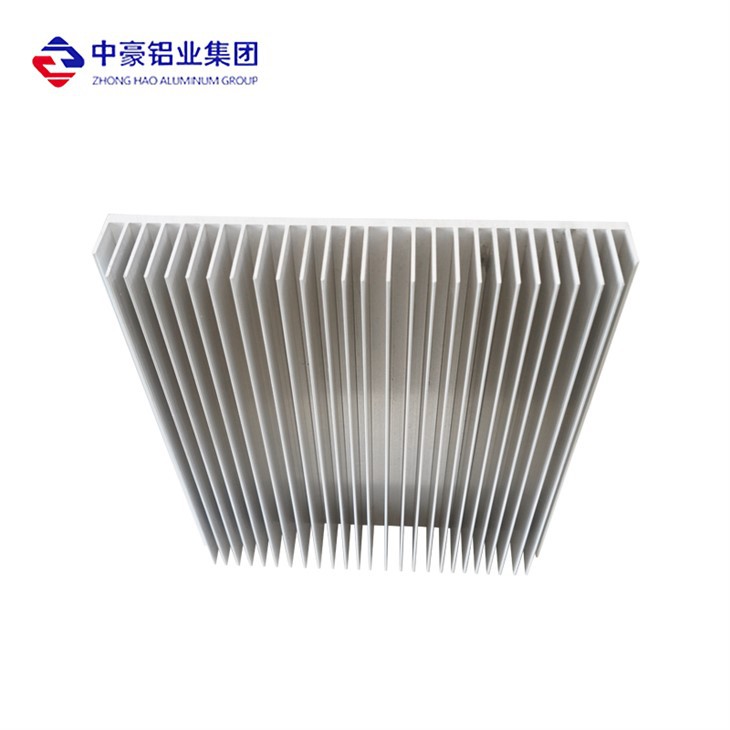
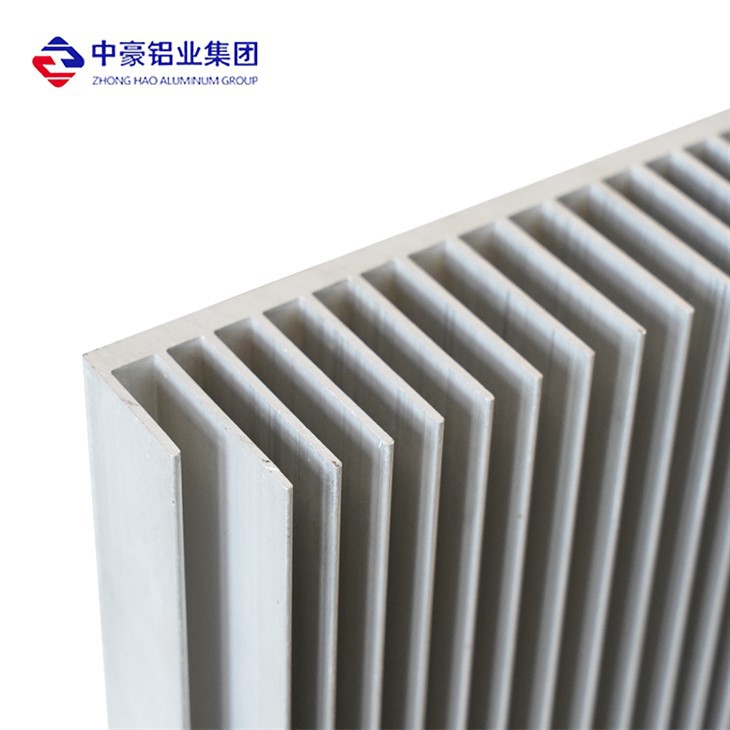
If you're interested in industrial - grade heat sink profiles, you can check out our Heatsink Extrusion Profiles. We offer a wide range of options to meet your industrial needs.
Consumer Heat Sink Profiles
Now, let's switch gears and talk about consumer heat sink profiles. In the consumer market, the focus is more on things like laptops, smartphones, and home appliances. These devices are used in everyday life, and they have different requirements compared to industrial equipment.
Size is a major factor here. Consumer heat sink profiles need to be small and compact. For example, in a laptop, space is limited. The heat sink has to fit inside the slim chassis of the laptop while still being able to cool the CPU and GPU effectively. So, consumer heat sinks are often designed with a more streamlined and space - efficient shape.
Cost is also a big consideration. Consumers generally don't want to pay a fortune for their devices. So, consumer heat sink profiles are usually made from more cost - effective materials. Aluminum is the go - to material in most cases because it strikes a good balance between cost and performance.
The design of consumer heat sink profiles is more standardized. There are common shapes and sizes that are used across different products. This is because it's more cost - effective for manufacturers to use standardized components. For example, many laptops use a similar type of heat sink design with a series of thin fins to increase the surface area for heat transfer.
In terms of performance, while consumer heat sinks need to be effective, they don't have to handle the same level of heat as industrial heat sinks. The power consumption of consumer electronics is generally lower, so the heat generated is also less. However, with the increasing power of consumer devices like high - end gaming laptops, the demand for better - performing consumer heat sink profiles is also growing.
We also offer other related products like Aluminum Wind Turbine Blades and Aluminum T Slot Extrusion Profiles which might be useful in different applications.
Key Differences Summarized
Let's quickly summarize the main differences between industrial and consumer heat sink profiles:
- Size and Scale: Industrial heat sinks are larger and have a greater surface area for handling high heat loads, while consumer heat sinks are smaller and more compact to fit into consumer devices.
- Material: Both can use aluminum, but industrial heat sinks may use copper in extreme cases, and consumer heat sinks focus on cost - effective materials.
- Design: Industrial heat sinks have more custom - made and complex designs, while consumer heat sinks are more standardized.
- Reliability and Performance Requirements: Industrial heat sinks need to be extremely reliable and can handle high - stress conditions, while consumer heat sinks need to balance performance with cost and size.
Why Choose Us as Your Heat Sink Profile Supplier
As a heat sink profile supplier, we've got a lot to offer. We have a team of experts who understand the unique requirements of both industrial and consumer applications. We can work with you to design and manufacture the perfect heat sink for your needs.
Our manufacturing process is top - notch. We use the latest technology to ensure the highest quality of our heat sink profiles. Whether you need a large - scale industrial heat sink or a small consumer - friendly one, we can deliver.
We also offer excellent customer service. We're here to answer all your questions, provide technical support, and make sure you're satisfied with your purchase. If you're in the market for heat sink profiles, don't hesitate to reach out to us for a quote or to discuss your specific requirements.
In conclusion, the differences between industrial and consumer heat sink profiles are significant, but both play crucial roles in keeping our devices and equipment running smoothly. Whether you're an industrial client looking for a heavy - duty heat sink or a consumer in need of a compact one, we've got you covered. So, if you're interested in purchasing heat sink profiles, just contact us, and let's start a great business relationship!
References
- "Thermal Management in Electronics" by some well - known author in the field.
- Industry reports on heat sink materials and design trends.
Send Inquiry