


What are the emerging trends in the design of heatsink extrusion profiles?
Aug 06, 2025
Leave a message
Hey there! As a supplier of heatsink extrusion profiles, I've been keeping a close eye on the industry, and let me tell you, there are some really cool emerging trends that are shaping the design of these profiles. In this blog, I'm gonna share with you what I've noticed and how these trends could impact your next project.
1. Miniaturization and High - Density Design
In today's world, everything is getting smaller and more powerful. Whether it's smartphones, laptops, or even industrial equipment, the demand for compact devices with high - performance capabilities is on the rise. This has led to a significant trend in the design of heatsink extrusion profiles towards miniaturization and high - density designs.
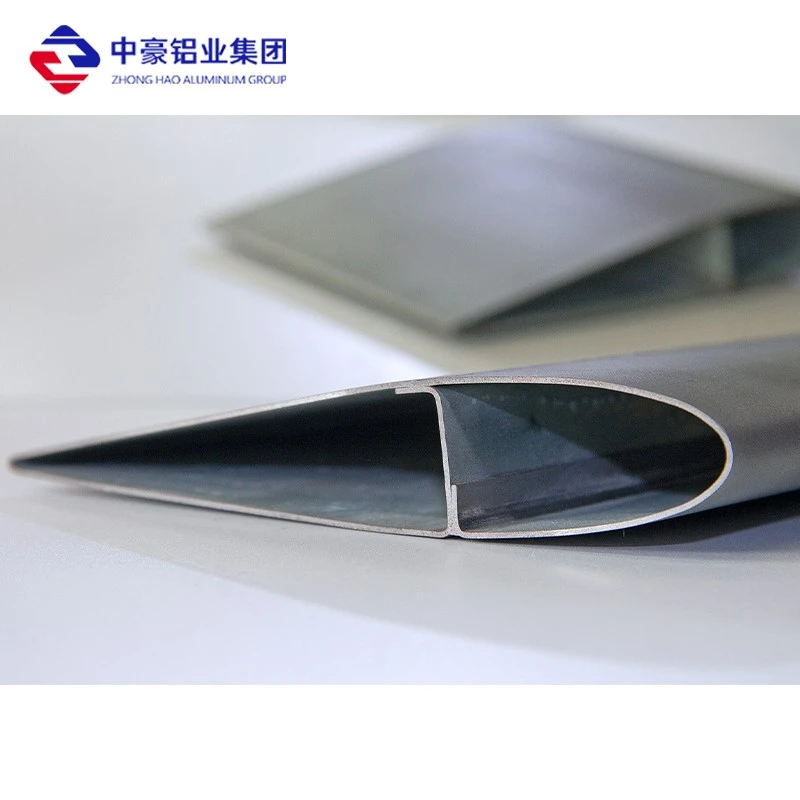

Manufacturers are now looking for heatsinks that can fit into tight spaces while still providing efficient heat dissipation. To achieve this, we're seeing the development of heatsink profiles with thinner fins and more complex geometries. These designs increase the surface area available for heat transfer within a limited volume. For example, micro - channel heatsinks are becoming increasingly popular. These heatsinks have tiny channels that allow for better fluid flow and heat exchange, making them ideal for applications where space is at a premium.
The use of advanced manufacturing techniques, such as precision extrusion and micro - machining, has made it possible to produce these intricate heatsink profiles. As a heatsink extrusion profiles supplier, we've invested in state - of the - art equipment to ensure that we can meet the growing demand for these miniaturized and high - density designs.
2. Integration of Advanced Materials
Another major trend in heatsink extrusion profile design is the integration of advanced materials. While aluminum has long been the go - to material for heatsinks due to its excellent thermal conductivity, light weight, and cost - effectiveness, new materials are starting to make their mark.
Copper is one such material. Copper has even higher thermal conductivity than aluminum, which means it can transfer heat more efficiently. However, copper is heavier and more expensive than aluminum. To take advantage of the benefits of both materials, some heatsink designs are now using a combination of aluminum and copper. For example, a copper baseplate can be combined with aluminum fins to create a heatsink that offers high - performance heat dissipation at a reasonable cost.
In addition to metals, there's also a growing interest in using composite materials. These materials can be engineered to have specific thermal and mechanical properties. For instance, carbon fiber composites can be used to create lightweight heatsinks with good thermal conductivity. These composites can also be molded into complex shapes, which gives designers more flexibility when it comes to heatsink design.
As a supplier, we're constantly exploring new materials and their potential applications in heatsink extrusion profiles. We work closely with our customers to understand their specific requirements and recommend the most suitable materials for their projects.
3. Enhanced Aerodynamics
Aerodynamics plays a crucial role in the performance of heatsinks. Efficient airflow around the heatsink is essential for effective heat dissipation. In recent years, there has been a trend towards designing heatsink extrusion profiles with enhanced aerodynamics.
One way to improve aerodynamics is by optimizing the shape of the fins. Traditional straight fins are being replaced by curved or angled fins. These non - traditional fin shapes can reduce air resistance and improve the flow of air through the heatsink. For example, pin - fin heatsinks, which consist of a series of small pins instead of traditional fins, can provide better airflow and heat transfer in some applications.
Another approach is to use heat pipes in combination with heatsink profiles. Heat pipes are sealed tubes that contain a working fluid. They can transfer heat over long distances with very little temperature difference. By integrating heat pipes into the heatsink design, the overall heat transfer efficiency can be significantly improved, especially in applications where the heat source is located at a distance from the heatsink.
At our company, we conduct extensive airflow simulations and testing to ensure that our heatsink extrusion profiles have optimized aerodynamics. This helps us to provide our customers with heatsinks that offer superior performance.
4. Customization and Modularity
In today's competitive market, customers are looking for solutions that are tailored to their specific needs. This has led to a trend towards customization and modularity in heatsink extrusion profile design.
Customers no longer want to settle for off - the - shelf heatsinks. They need heatsinks that are designed to fit their unique applications, whether it's a specific electronic device or an industrial machine. As a supplier, we offer a wide range of customization options. We can modify the size, shape, and fin density of our heatsink profiles to meet the exact requirements of our customers.
Modularity is also becoming increasingly important. Modular heatsinks are made up of individual components that can be easily assembled and disassembled. This allows for greater flexibility in design and installation. For example, a modular heatsink can be easily expanded or modified to accommodate changes in the heat load or the layout of the equipment.
We understand the importance of customization and modularity, and we've built our production process around these concepts. Our team of experienced designers and engineers can work with customers from the initial design stage to ensure that they get the perfect heatsink solution for their needs.
5. Sustainability
Sustainability is a hot topic in every industry, and the heatsink extrusion profile industry is no exception. There's a growing demand for environmentally friendly heatsinks that are made from recycled materials and have a minimal impact on the environment.
As a supplier, we're committed to sustainability. We use a high percentage of recycled aluminum in our heatsink extrusion profiles. Recycling aluminum requires significantly less energy compared to producing new aluminum from raw materials, which helps to reduce our carbon footprint.
In addition to using recycled materials, we're also looking at ways to improve the energy efficiency of our manufacturing processes. For example, we've implemented energy - saving measures in our extrusion plants to reduce our overall energy consumption.
We believe that by offering sustainable heatsink solutions, we can not only meet the environmental needs of our customers but also contribute to a more sustainable future.
Conclusion
The design of heatsink extrusion profiles is evolving at a rapid pace. The trends towards miniaturization, integration of advanced materials, enhanced aerodynamics, customization, and sustainability are shaping the future of the industry. As a Heatsink Extrusion Profiles supplier, we're excited to be at the forefront of these changes.
If you're looking for high - quality, innovative heatsink extrusion profiles for your project, we'd love to hear from you. Whether you need a standard heatsink or a customized solution, our team of experts can help you find the perfect fit. We also offer a wide range of related products, such as Aluminum Alloy Square Tube and Aluminum Wind Turbine Blades.
Feel free to reach out to us to discuss your requirements and start the procurement process. We're confident that we can provide you with the best heatsink solutions at competitive prices.
References
- Incropera, F. P., & DeWitt, D. P. (2002). Fundamentals of Heat and Mass Transfer. John Wiley & Sons.
- Bar - Cohen, A., & Kraus, A. D. (2003). Thermal Analysis and Control of Electronic Equipment. Springer.
- ASM Handbook Committee. (2004). ASM Handbook: Volume 6: Welding, Brazing, and Soldering. ASM International.
Send Inquiry