


What is the influence of the heat source size on the selection of heatsink extrusion profiles?
Nov 11, 2025
Leave a message
The size of a heat source plays a pivotal role in determining the most appropriate heatsink extrusion profiles for efficient thermal management. As a seasoned supplier of Heatsink Extrusion Profiles, I've witnessed firsthand how the heat source's size can significantly influence the selection process. In this blog, we'll explore the various aspects of this relationship and how it impacts the performance and cost - effectiveness of heat dissipation solutions.
Understanding the Basics of Heat Transfer and Heatsinks
Before delving into the influence of heat source size, it's essential to understand the fundamental principles of heat transfer and the role of heatsinks. Heat transfer occurs through three primary mechanisms: conduction, convection, and radiation. Heatsinks are designed to enhance heat transfer from a heat - generating component (such as a CPU or a power semiconductor) to the surrounding environment.
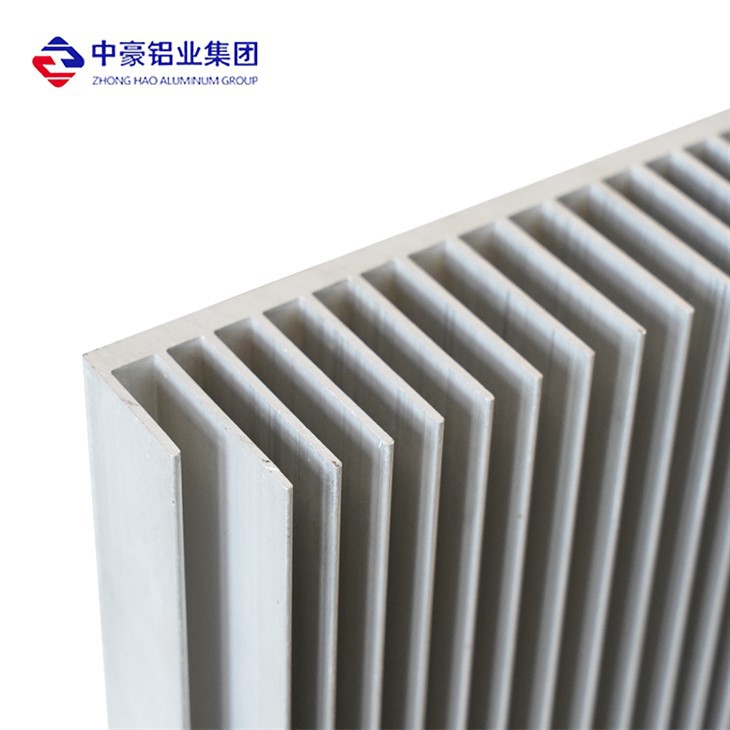
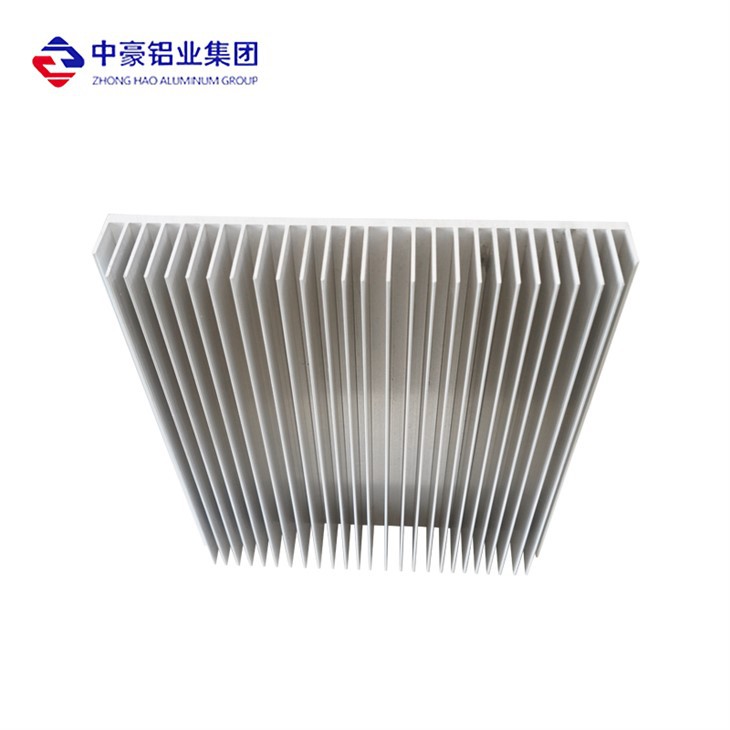
Heatsink extrusion profiles are typically made from materials with high thermal conductivity, such as aluminum. These profiles are created through an extrusion process, which allows for the production of complex shapes with excellent heat - dissipation capabilities. The efficiency of a heatsink depends on its surface area, material properties, and the design of its fins or other heat - dissipating structures.
Impact of Heat Source Size on Surface Area Requirements
One of the most direct impacts of the heat source size on heatsink selection is the required surface area for heat dissipation. A larger heat source generally produces more heat, which means that a heatsink with a larger surface area is needed to transfer the heat effectively.
When the heat source is small, a compact heatsink with a relatively smaller surface area may be sufficient. For example, in some consumer electronics like smartphones or tablets, the heat sources (such as processors) are relatively small. These devices often use thin, low - profile heatsinks that can fit within the limited space available. The fins on these heatsinks are closely spaced and relatively short, providing enough surface area to dissipate the moderate amount of heat generated by the small heat source.
On the other hand, large industrial heat sources, such as high - power motors or large - scale power electronics, require heatsinks with a much larger surface area. These heatsinks may have long, widely spaced fins or complex fin geometries to maximize the surface area available for heat transfer. For instance, in data centers, servers generate a significant amount of heat due to their high - performance processors and multiple components. The heatsinks used in these servers are often large and bulky, with a large number of fins to dissipate the substantial heat output.
Influence on Heatsink Geometry
The size of the heat source also affects the geometry of the heatsink extrusion profiles. The shape and design of the heatsink need to be optimized to match the size and shape of the heat source.
For small heat sources, a simple and compact heatsink design may be appropriate. This could include a single - piece extrusion with a flat base and a few fins on top. The flat base ensures good contact with the heat source, allowing for efficient heat conduction. Some small - scale applications may also use heatsinks with a pin - fin design, which provides a large surface area in a relatively small volume.
When dealing with large heat sources, more complex geometries are often required. For example, a large rectangular heat source may benefit from a heatsink with a multi - fin design that covers the entire surface area of the heat source. In some cases, custom - designed heatsink extrusion profiles may be necessary to fit the specific shape and size of the heat source. These custom profiles can be tailored to optimize the heat - transfer path and improve the overall efficiency of the cooling system.
Thermal Resistance Considerations
Thermal resistance is another crucial factor affected by the heat source size. Thermal resistance is a measure of how difficult it is for heat to flow through a material or a structure. A lower thermal resistance indicates better heat - transfer efficiency.
A large heat source typically has a lower thermal resistance requirement because it generates more heat. To achieve a low thermal resistance, the heatsink needs to have a good thermal connection to the heat source and efficient heat - transfer paths within the heatsink itself. This may involve using materials with high thermal conductivity and optimizing the design of the fins or other heat - dissipating structures.
For small heat sources, the thermal resistance requirements may be less stringent. However, even in these cases, minimizing thermal resistance is still important to ensure reliable operation. For example, using a high - quality thermal interface material between the heat source and the heatsink can significantly reduce the thermal resistance and improve the heat - transfer efficiency.
Cost - Effectiveness and Heat Source Size
Cost is always a consideration in any engineering design, and the size of the heat source can have a significant impact on the cost - effectiveness of the heatsink selection.
Small heat sources often allow for the use of less expensive heatsink solutions. Compact heatsinks with simple designs can be mass - produced at a relatively low cost. Additionally, the materials used for small heatsinks may be less expensive, as they require less raw material. For example, in the production of small consumer electronics, cost - conscious manufacturers may choose to use aluminum heatsinks with a basic fin design to keep the production costs down.
In contrast, large heat sources usually require more expensive heatsink solutions. The larger size and more complex geometries of these heatsinks mean that they are more difficult to manufacture, which increases the production cost. Moreover, the materials used for large heatsinks may need to have higher thermal conductivity and better mechanical properties, which can also add to the cost. However, in many industrial applications, the cost of the heatsink is often outweighed by the benefits of efficient heat dissipation, such as increased reliability and longer component life.
Compatibility with Cooling Methods
The size of the heat source also affects the compatibility of the heatsink with different cooling methods. There are two main types of cooling methods: passive cooling and active cooling.
Passive cooling relies on natural convection and radiation to dissipate heat. Small heat sources are often well - suited for passive cooling. Compact heatsinks with a relatively small surface area can effectively dissipate heat through natural convection in many cases. For example, in some low - power LED lighting applications, passive heatsinks can be used to keep the LEDs cool without the need for additional fans or other active cooling devices.
Large heat sources, on the other hand, may require active cooling methods, such as forced - air cooling or liquid cooling. Forced - air cooling uses fans to increase the airflow over the heatsink, which enhances the convective heat transfer. Liquid cooling involves circulating a coolant through the heatsink to remove the heat more efficiently. These active cooling methods are often necessary for large heat sources because they can provide a higher rate of heat dissipation than passive cooling.
Application - Specific Considerations
In addition to the general factors mentioned above, the specific application of the heat source also plays a role in heatsink selection. Different industries and applications have unique requirements that need to be considered.
In the aerospace industry, for example, weight is a critical factor. Even large heat sources in aerospace applications may require lightweight heatsink solutions. This may involve using advanced materials like carbon - fiber - reinforced composites or lightweight aluminum alloys. The heatsink designs in aerospace applications also need to be highly reliable and resistant to harsh environmental conditions.
In the automotive industry, the size and shape of the heat source are often constrained by the available space in the vehicle. Automotive heat sources, such as engine control units or power electronics for electric vehicles, need heatsinks that can fit within the limited space under the hood or in other areas of the vehicle. These heatsinks also need to be able to withstand vibrations, temperature variations, and other automotive - specific conditions.
Conclusion
In conclusion, the size of the heat source has a profound influence on the selection of heatsink extrusion profiles. From surface area requirements and geometry to cost - effectiveness and compatibility with cooling methods, every aspect of heatsink design and selection is affected by the size of the heat source.
As a supplier of Heatsink Extrusion Profiles, we understand the importance of providing customized solutions that meet the specific needs of our customers. Whether you have a small heat source in a consumer electronics application or a large industrial heat source, we can help you select the most appropriate heatsink extrusion profiles for your project.
If you're in the process of selecting heatsinks for your heat - dissipation needs, we encourage you to reach out to us for more information and to discuss your specific requirements. Our team of experts is ready to assist you in finding the best solutions for your application.
References
- Incropera, F. P., & DeWitt, D. P. (2002). Fundamentals of Heat and Mass Transfer. John Wiley & Sons.
- Kraus, A. D., Azar, M. S., & Welty, J. R. (2001). Extended Surface Heat Transfer. Wiley - Interscience.
- ASHRAE Handbook: Fundamentals. (2017). American Society of Heating, Refrigerating and Air - Conditioning Engineers.
Send Inquiry