


What is the load - bearing capacity of an aluminium solar frame?
May 27, 2025
Leave a message
Hey there! As a supplier of aluminium solar frames, I often get asked about the load - bearing capacity of these frames. So, let's dive right in and have a chat about it.
First off, what exactly is load - bearing capacity? In simple terms, it's the maximum amount of weight or force that an aluminium solar frame can handle without getting damaged or failing. This is super important because solar panels are usually installed outdoors, where they're exposed to all sorts of environmental factors like wind, snow, and even the weight of the panel itself.
Factors Affecting Load - Bearing Capacity
There are several factors that can influence the load - bearing capacity of an aluminium solar frame.
1. Aluminium Alloy Type
The type of aluminium alloy used in the frame plays a huge role. Different alloys have different mechanical properties. For example, 6063 - T5 is a commonly used alloy in solar frames. It offers a good balance between strength and formability. The "6063" indicates the alloy composition, and "T5" refers to the temper, which is a heat - treatment process that gives the aluminium its specific properties. A higher - strength alloy will generally have a greater load - bearing capacity. You can check out more about the alloys used in Solar Panel Aluminium Profile.
2. Frame Design
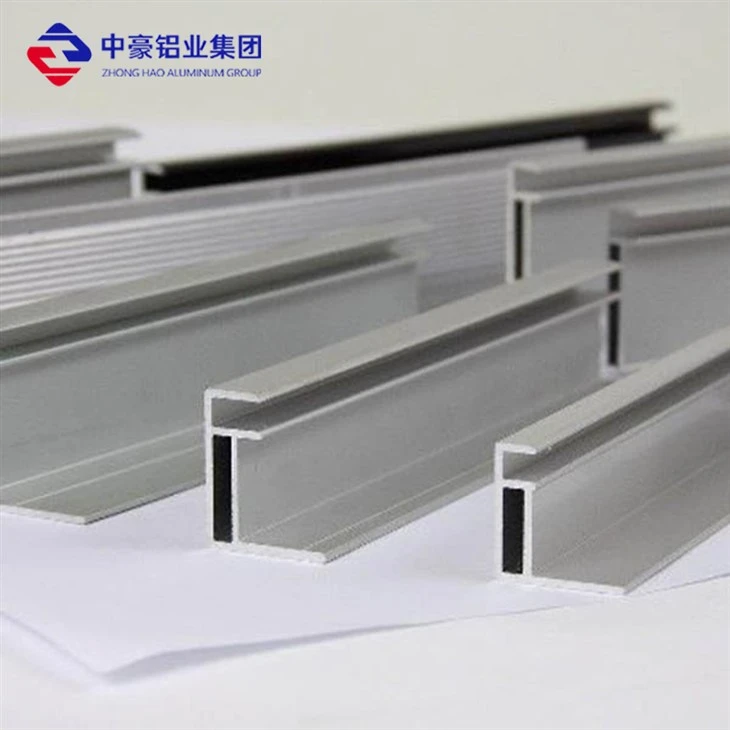
The design of the frame is also crucial. A well - designed frame with a proper cross - sectional shape can distribute the load more evenly. For instance, frames with a larger cross - sectional area can handle more weight because they have more material to resist deformation. Some frames are designed with reinforcement ribs or special geometries that enhance their strength. When you look at Solar Aluminium Frame, you'll notice that different designs are available to meet various load requirements.
3. Wall Thickness
The thickness of the frame's walls is another key factor. A thicker wall means more material to bear the load. However, increasing the wall thickness also adds to the cost and weight of the frame. So, there's a balance that needs to be struck. Generally, for areas with high wind or snow loads, frames with thicker walls are recommended.
4. Installation Method
How the solar panels are installed on the frames and how the frames are mounted on the structure can affect the load - bearing capacity. A proper installation ensures that the load is transferred evenly from the panel to the frame and then to the supporting structure. If the installation is incorrect, it can create stress concentrations in the frame, reducing its overall load - bearing ability.
Calculating Load - Bearing Capacity
Calculating the load - bearing capacity of an aluminium solar frame is a complex process that usually involves engineering calculations. But here's a simplified overview.

1. Dead Load
The dead load is the weight of the solar panel itself. This is a constant load that the frame has to support at all times. To calculate the dead load, you need to know the weight of the panel per square meter and the area of the panel.
2. Live Loads
Live loads are the variable loads that the frame may experience during its lifetime. This includes wind load, snow load, and even the weight of maintenance personnel if they need to access the panels.
- Wind Load: Wind load depends on the wind speed in the area where the solar panels are installed. Higher wind speeds create greater pressure on the panels and frames. Engineers use wind maps and design codes to estimate the wind load.
- Snow Load: Snow load is determined by the amount of snowfall in the region. The weight of the snow on the panels can be significant, especially in areas with heavy snowfall.
Once you've determined the dead and live loads, you can use engineering formulas based on the properties of the aluminium alloy, frame design, and wall thickness to calculate the maximum load that the frame can handle.
Testing the Load - Bearing Capacity
Manufacturers of aluminium solar frames usually conduct tests to ensure that their products meet the required load - bearing standards. These tests can include:
1. Static Load Testing
In static load testing, a known weight is applied to the frame gradually until it reaches the maximum design load. The frame is then inspected for any signs of deformation or failure. This test helps to verify the frame's ability to handle a constant load.
2. Dynamic Load Testing
Dynamic load testing simulates the effects of wind and other variable loads. The frame is subjected to repeated loading and unloading cycles to see how it performs under real - world conditions.
By conducting these tests, we can be confident that our Aluminium Solar Frame products can withstand the loads they'll encounter in different environments.
Importance of Load - Bearing Capacity
The load - bearing capacity of an aluminium solar frame is of utmost importance for several reasons.
1. Safety
Ensuring that the frames can handle the loads is crucial for the safety of the entire solar installation. If a frame fails due to overloading, it can cause the solar panel to fall, which can be dangerous to people and property below.
2. Longevity
A frame with a sufficient load - bearing capacity will last longer. It won't deform or break easily, which means the solar panels will remain properly installed and functional for many years.
3. Performance
Properly designed frames that can handle the loads help the solar panels perform at their best. If the frame is damaged or deformed, it can affect the alignment of the panels, reducing their energy - generating efficiency.
Meeting Different Load Requirements
As a supplier, we understand that different regions have different load requirements. For example, solar installations in coastal areas may need frames that can withstand high wind loads, while those in mountainous regions may require frames that can handle heavy snow loads.
We offer a wide range of Solar Aluminium Frame products with different load - bearing capacities to meet these diverse needs. Our engineering team can also work with you to customize frames based on your specific load requirements.
Why Choose Our Aluminium Solar Frames?
- Quality Assurance: We use high - quality aluminium alloys and state - of - the - art manufacturing processes to ensure that our frames have excellent load - bearing capacity and durability.
- Customization: We can customize the frames according to your specific needs, whether it's a unique design or a special load - bearing requirement.
- Competitive Pricing: We offer our products at competitive prices without compromising on quality.
If you're in the market for aluminium solar frames and want to learn more about their load - bearing capacity or discuss your specific requirements, don't hesitate to reach out. We're here to help you make the right choice for your solar project. Whether you're an installer, a developer, or an end - user, we can provide you with the best solutions. Let's start a conversation about how our Aluminium Solar Frame products can meet your needs.
References
- "Aluminium Alloys for Structural Applications" by The Aluminium Association
- "Solar Panel Installation and Design Standards" by International Electrotechnical Commission (IEC)
- "Load Calculation Guidelines for Building Structures" by American Society of Civil Engineers (ASCE)
Send Inquiry