


What is the standard thickness of a solar frame?
Aug 20, 2025
Leave a message
Hey there! As a solar frame supplier, I often get asked about the standard thickness of a solar frame. It's a crucial question because the thickness can significantly impact the performance, durability, and cost of solar panels. So, let's dive right into it and explore what makes for the ideal solar frame thickness.
First off, it's important to understand that there isn't a one - size - fits - all answer to the question of standard thickness. The thickness of a solar frame can vary depending on several factors, including the size of the solar panel, the type of installation (residential or commercial), and the environmental conditions where the panels will be located.
Factors Influencing Solar Frame Thickness
Panel Size
Larger solar panels generally require thicker frames to provide adequate support. Think about it like building a house; a bigger structure needs stronger beams. For example, a small residential solar panel might do just fine with a thinner frame, while a large - scale commercial panel needs more robust support. A typical small - to - medium - sized solar panel used in a residential setting might have a frame with a thickness ranging from 1.5mm to 2mm. On the other hand, large commercial solar panels often have frames with a thickness of 2mm to 3mm or even more.

Installation Type
The way the solar panels are installed also plays a role. If the panels are going to be installed in a fixed position with minimal movement, a slightly thinner frame might be sufficient. However, if they are part of a tracking system that moves to follow the sun, a thicker frame is necessary to withstand the additional stress and vibrations. For rooftop installations, which are common in residential areas, a frame thickness of around 1.8mm - 2.2mm is often used. Ground - mounted systems, especially in large commercial projects, may require frames with a thickness of 2.5mm or greater.
Environmental Conditions
Harsh environmental conditions can really take a toll on solar frames. In areas with high winds, heavy snowfall, or extreme temperature variations, a thicker frame is essential. High - wind areas need frames that can resist the strong forces exerted by the wind. Snow - laden regions require frames that can support the weight of the snow without bending or breaking. And in areas with large temperature swings, a thicker frame is more likely to maintain its shape and integrity. For instance, in coastal areas where there is saltwater corrosion in addition to other environmental factors, a thicker frame made of high - quality materials like aluminum is a must.
The Role of Aluminum in Solar Frames
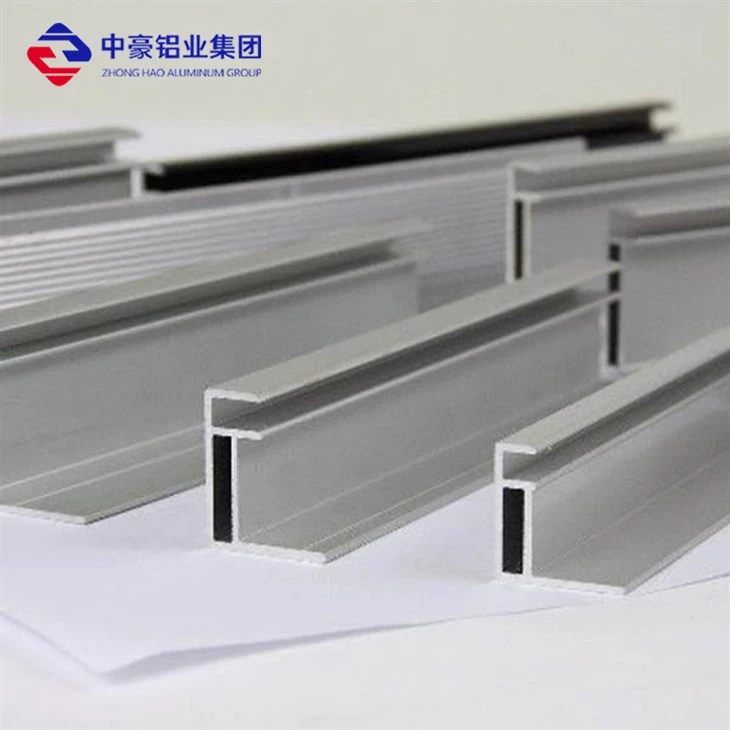
Most solar frames are made of aluminum, and for good reason. Aluminum is lightweight, corrosion - resistant, and relatively inexpensive compared to other metals. It's also easy to work with, which allows for precise manufacturing of solar frames. Our Aluminium Solar Frame products are designed to meet the highest standards of quality and performance. The aluminum we use is carefully selected to ensure that it can withstand the rigors of different environments.
Aluminum frames come in various profiles, and the thickness can vary within these profiles. The Solar Panel Aluminium Profile is an important consideration when choosing the right frame for your solar panels. Different profiles offer different levels of strength and support, and the thickness of the profile can affect how well the frame performs.
Industry Standards and Guidelines
While there isn't a single global standard for solar frame thickness, there are some industry guidelines that many manufacturers follow. These guidelines are based on years of research and experience in the solar industry. For example, the International Electrotechnical Commission (IEC) has set some general requirements for the mechanical properties of solar panels, which indirectly influence the frame thickness.
Most reputable solar frame manufacturers aim to meet or exceed these industry standards. At our company, we take these guidelines seriously and conduct rigorous testing on our Solar Aluminium Frame products to ensure that they are of the highest quality. We test for factors like strength, corrosion resistance, and dimensional accuracy to make sure that our frames can perform well in a variety of conditions.
Finding the Right Thickness for Your Needs
So, how do you determine the right thickness for your solar frames? Well, it's a good idea to consult with a professional. As a solar frame supplier, we have a team of experts who can help you make the right choice based on your specific requirements. We'll take into account the size of your panels, the type of installation, and the environmental conditions of your location.
If you're a homeowner looking to install solar panels on your roof, a thinner frame might be a cost - effective option as long as it meets the structural requirements. On the other hand, if you're a business owner planning a large - scale commercial solar project, you'll want to invest in thicker, more durable frames to ensure the long - term performance of your solar panels.
Cost Considerations
Of course, cost is always a factor when choosing solar frames. Thicker frames generally cost more than thinner ones because they require more material. However, it's important to look at the long - term value. A thicker frame may cost more upfront, but it can save you money in the long run by reducing the need for repairs and replacements. It also offers better protection for your solar panels, which can extend their lifespan and increase their efficiency.
Conclusion
In conclusion, the standard thickness of a solar frame isn't a fixed number. It depends on a variety of factors, including panel size, installation type, and environmental conditions. As a solar frame supplier, we're committed to providing our customers with high - quality frames that are tailored to their specific needs. Our Aluminium Solar Frame, Solar Panel Aluminium Profile, and Solar Aluminium Frame products are designed to offer the best combination of strength, durability, and cost - effectiveness.
If you're in the market for solar frames and want to learn more about the right thickness for your project, don't hesitate to reach out. We're here to help you make an informed decision and ensure that your solar panels are well - supported and protected for years to come. Let's start a conversation and see how we can work together to meet your solar frame needs.
References
- International Electrotechnical Commission (IEC) standards related to solar panels
- Industry research reports on solar frame materials and performance
- In - house testing data and product development records
Send Inquiry